
Real Soil Health Results
Plant productivity and reducing crop loss
Feb
It all starts with the soil
It was late December back in 2024 when a young farm manager called up to invite us to their farms to talk about soil health and compost. They’d heard about a process we use to convert organic waste into soil organic matter through the patented Groundswell® Process by VRM Biologik. And with the teams challenges to date with composting on farm and desire to significantly improve soil carbon – this simple yet efficient process was music to their ears. After dodging a few incredible rain convergence zones, we finally got to work in late May 2025.
Stick with us as we navigate the journey of one of the largest banana farms in the country, to turn waste into a commodity. To significantly improve plant productivity, reduce tree mortality and reduce costs.

The waste
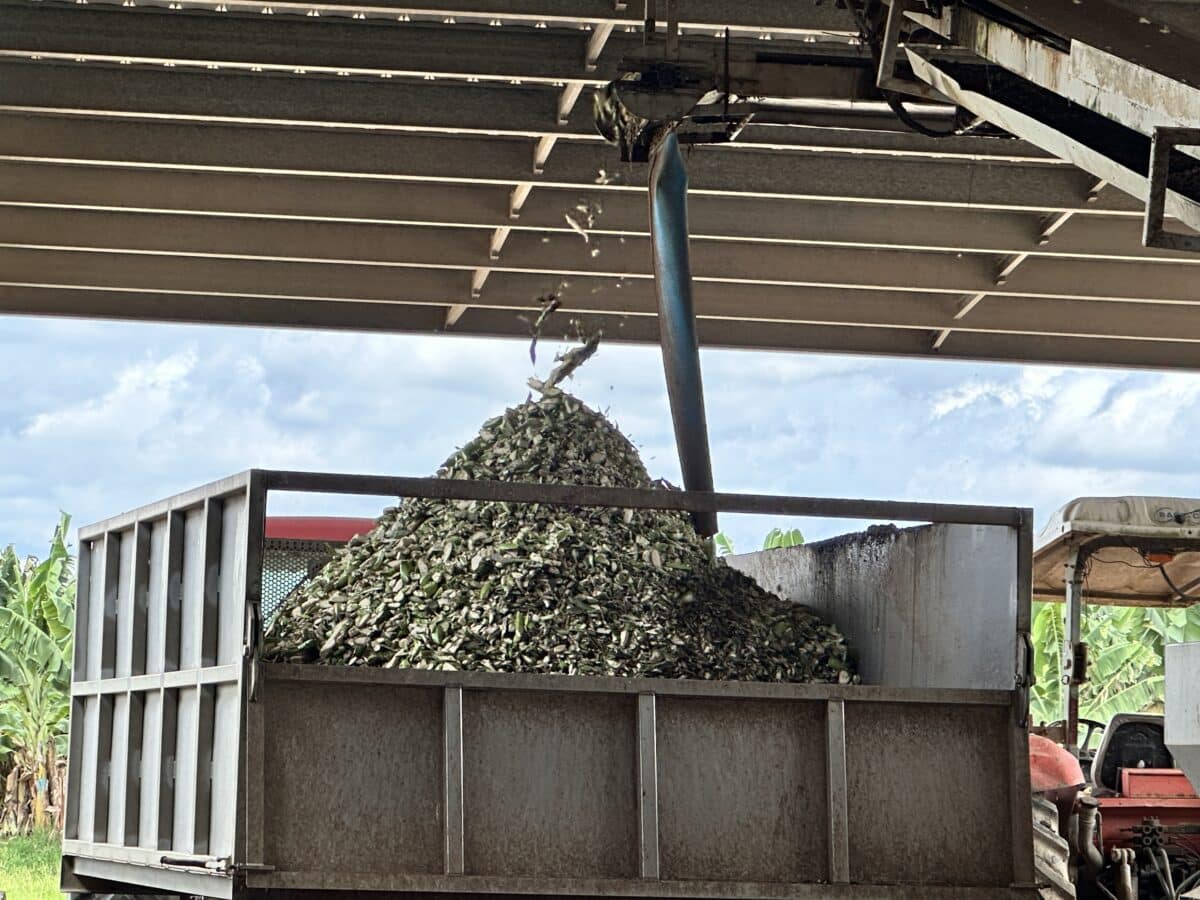
At our first farm visit, it was obvious to see how incredibly efficient and well run this business was. From the layout of the packing sheds, to the buses bringing workers in for the day – to how they dispose of the banana waste. And while all efforts are taken by the business to make use of all parts of the banana – there was still roughly 4 – 6 tonne of mulched bananas that went out to the compost block a day. That’s 2190 tonnes a year!!! And that’s just the bananas that are picked – not the trees that get thinned out or cut back.
A resource right there that cost money to grow – going to waste.
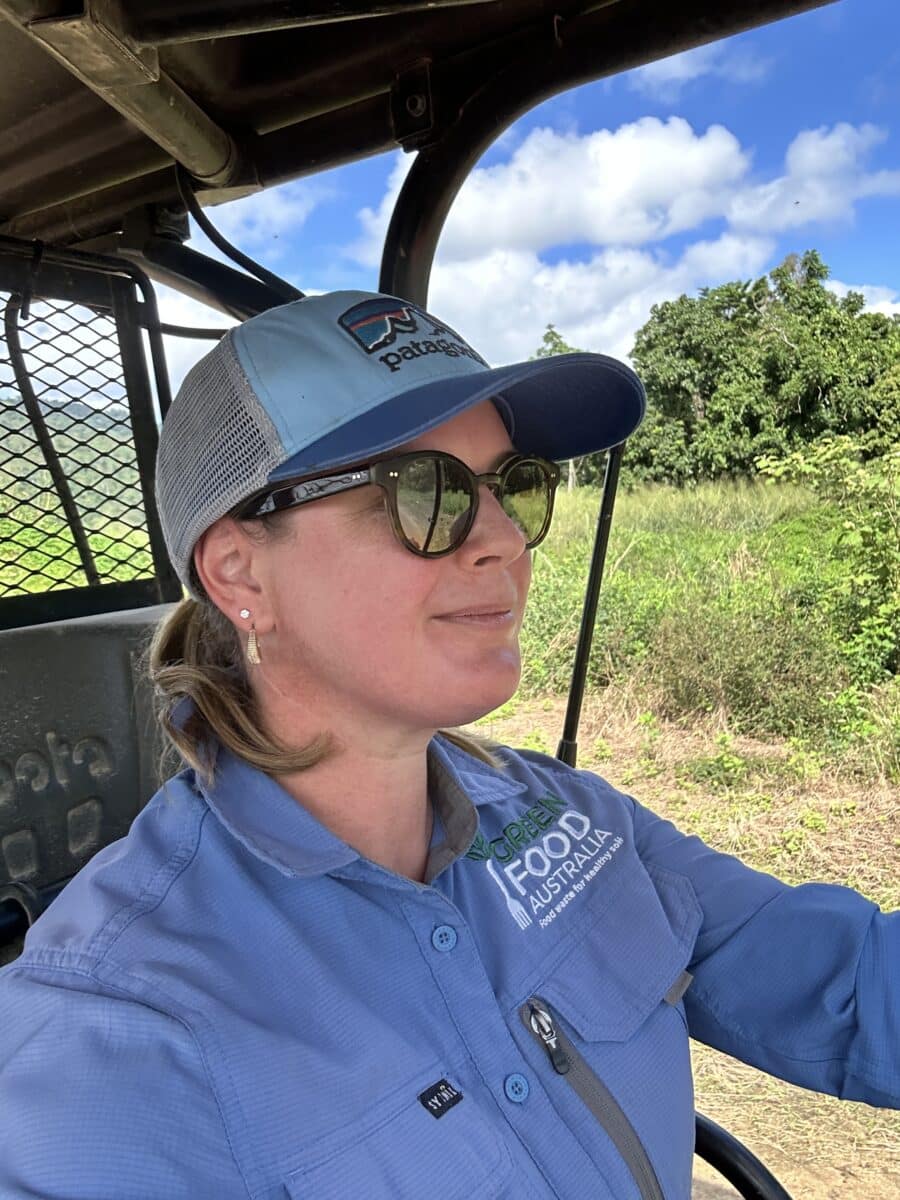
My favourite part of the gig is going out on farm, listening to the farmer speak so passionate about their work and listening to them tell their story. This incredible farm was already heading down the path of building soil health. Running multi-species cover crops and green manure in fallow paddocks.
But with rainfall hitting this area harder and faster every year, they’re racing the clock to build their soil to be even more resilient and prevent plant mortality.
Plants that die before their life cycle is due to end, still get the same fertiliser, same water and same chemicals – but they’re not showing a return.
Building a solution
Next we nutted out the logistics, how much waste could we convert, costs involved and the deliverables. Then we got to work. Starting with 120t pile for a trial, we mixed banana, mill mud, manure, wood chips and bagasse; spread it out; wet it and inoculated it with VRM Biologiks Groundswell Multi-Feed Accelerators – the foundational catalyst – pushed it up into a windrow, shaped it effectively and popped a tarp over the top!
Feeling pretty optimistic, it was 6 weeks before the team got to see the first glimpse of what was happening under that tarp!
checking in at 6 weeks
The entire Groundswell® Process is designed to be simple, yet powerful – if done correctly. Given that our new friends already faced challenges in composting, it was critical for us to ensure that the organics under the tarp were processing as it should. After all – 6 months is a long time to wait and find out the project failed.
During this early stage, A LOT is happening under the tarp. The biology gets straight to work on the gross stuff – breaking down odours and eliminating pathogens. By 6 weeks, there’s no smell and as you can see in the clip to the right, already significant fungal activity. So the 6 week check-in got the tick!
20 weeks later, we have humisoil®
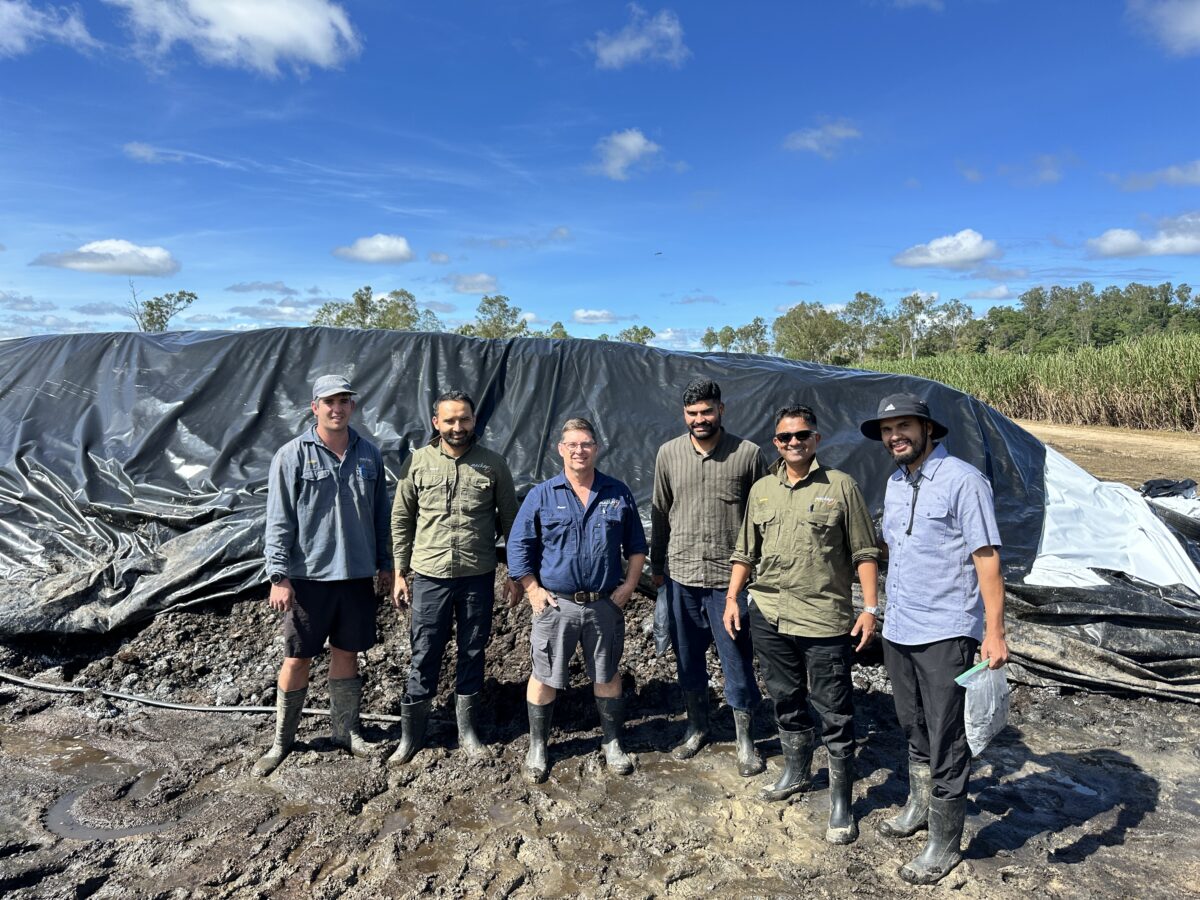
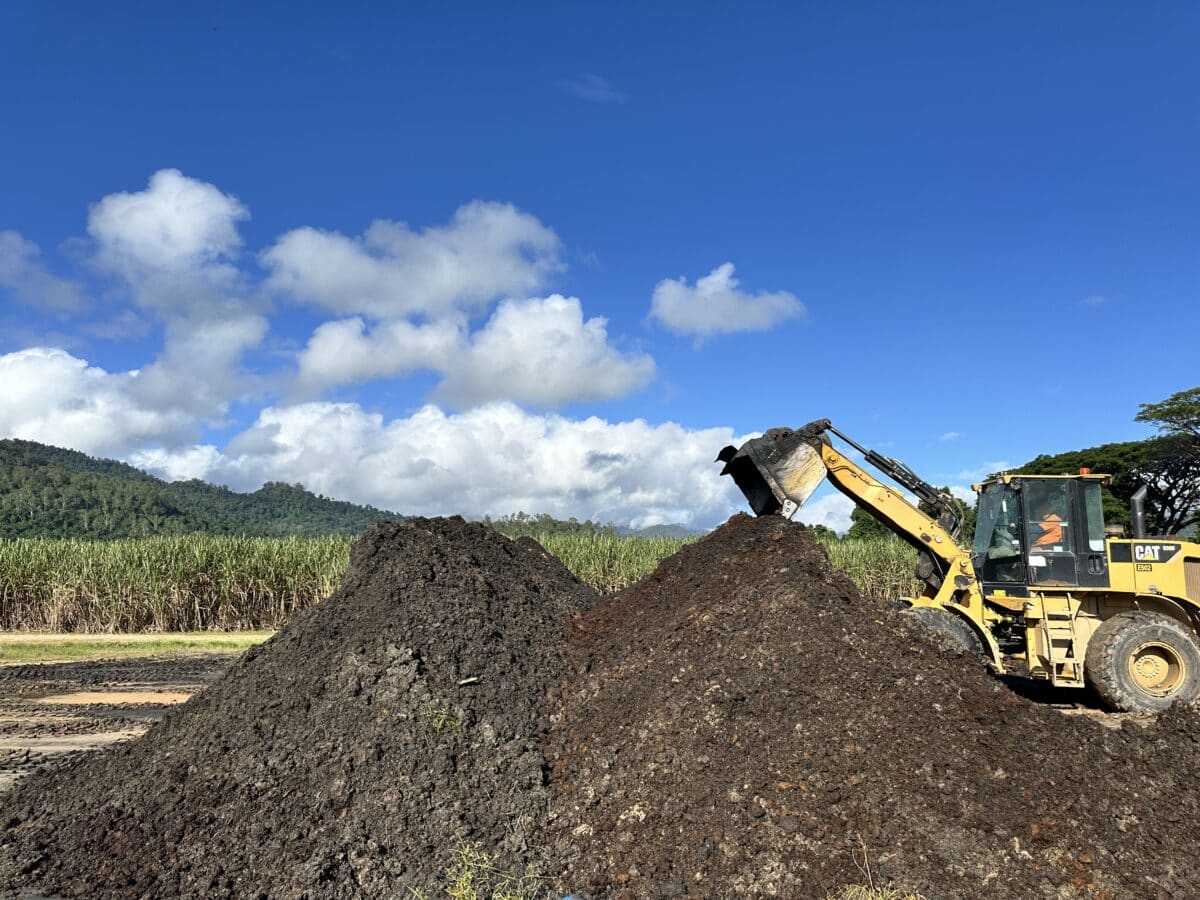
At the end of the total processing time of 26 weeks, we pull back the tarp and cut through the profile of the windrow. This allows us to see how the process of continuous fermentation has successfully occurred with a consistent look and feel through the whole pile. A 4kg sample is collected and sent to the lab for analysis. As a major supplier of Coles and Woolies, this farm needs to meet the strict regulations set by Fresh Care – and with the right results, the Groundswell® Process meets the AS4454 – Australian Standards for Commercial Composting.
With the analysis back from the lab, it was the final tick – all the biological activity was brilliant, the nutrient levels stable, but it was the carbon levels and the humic & fulvic acid test that made the agronomists smile the most.

It’s smiles all ’round for the team in Tully
Happy with the process and the lack of labour involved, our sample was off to the lab for a full mature compost analysis!
This story doesn’t end here …
Our results are back from the lab and they are impressive! We’ve the tick of approval from Fresh Care and the team are now designing their trial plots that will include ratoon, fallow, nursery and harvest blocks. HumiSoil® will be tested in the paddocks alongside Green Food Australia’s XLR8®Bio – a liquid made out of food waste. Now to replicate to scale … stay tuned.